
5 Things to Know Before You Land in Curaçao

Your tickets are booked and you're counting down the days. But what most visitors only discover on the island is that the most beautiful beaches aren't reachable by bus, and that you still need cash at a few gas stations on the west side. If you're heading to Curaçao soon, these five practical tips will save you time, money, and hassle. Read them before you board the plane, since a few are best arranged from home.
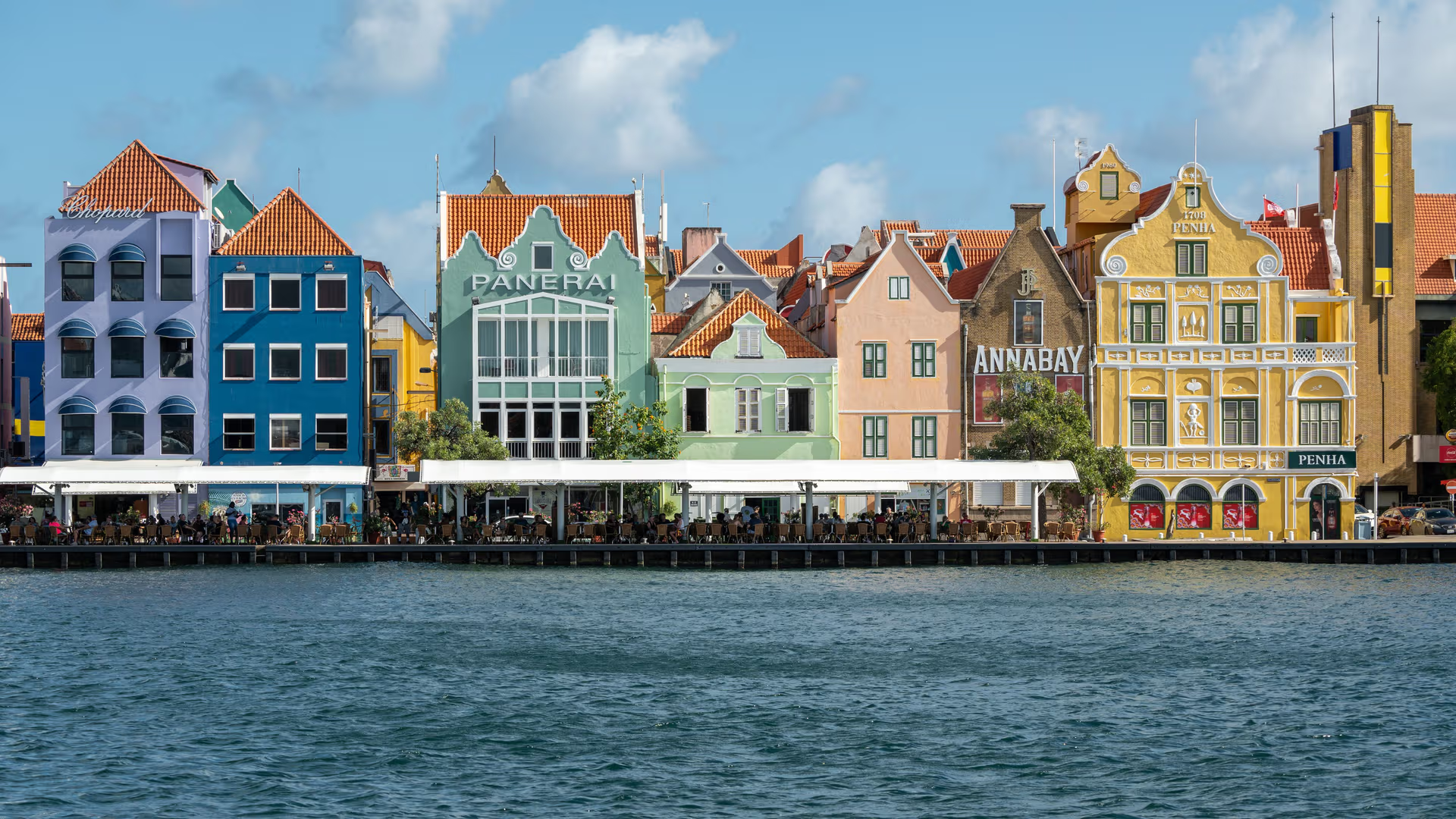
1. The tap water is excellent, skip the bottled water
Curaçao's water comes from the sea and is desalinated through reverse osmosis before it reaches your tap, a process the island has used for decades since there are simply no freshwater sources. The result is some of the cleanest drinking water in the world, tested to the same standards used in the Netherlands. Just bring a refillable bottle in your suitcase and fill it up anywhere, from your hotel room to restaurants.
That alone saves a family $20 to $30 on bottled water over a week's vacation, and you won't be hauling six-packs through the supermarket or worrying about plastic piling up in your hotel room trash can. Only at the rare, remote beach shack on the west coast, far from the water mains, might bottled water still be your only option.
2. Cards work almost everywhere, leave euros at home
On Curaçao you can pay by card at virtually every restaurant, shop, and supermarket, including smaller beach bars in Willemstad and Jan Thiel. Euros aren't accepted anywhere, so leave any euro cash at home. The moment you land at Hato Airport, there's an ATM right in the arrivals hall where you can withdraw US dollars or the local Antillean guilder.
Keep in mind that ATM withdrawals often carry a $10 to $15 transaction fee, regardless of the amount withdrawn. Paying directly by card in a shop or restaurant is almost always cheaper than making several small withdrawals. Take out a larger amount in one go for tips and small beach vendors, and use your card for everything else. Some remote gas stations on the west side, especially heading toward Westpunt, still prefer cash over card, so keep some smaller bills for that.
3. The best beaches are in the west, and no bus goes there
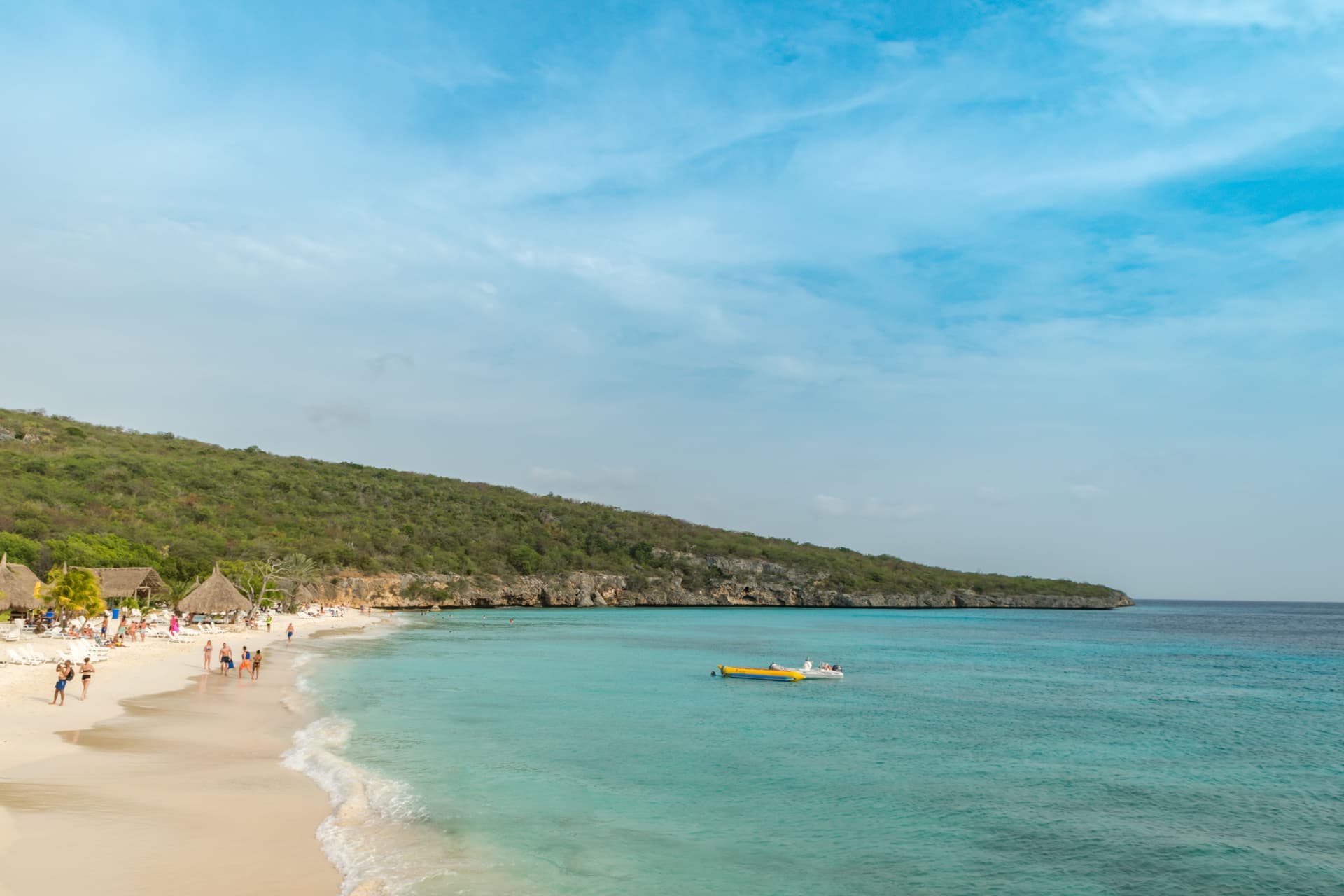
Kenepa Grandi, Cas Abao, Playa Lagun. The photos you've seen on Instagram were almost all taken on the west side of the island, a 45-minute to hour drive from Willemstad. Public transport covers the city and the hotel strip around Jan Thiel and Mambo Beach well, but simply no bus runs out to these bays.
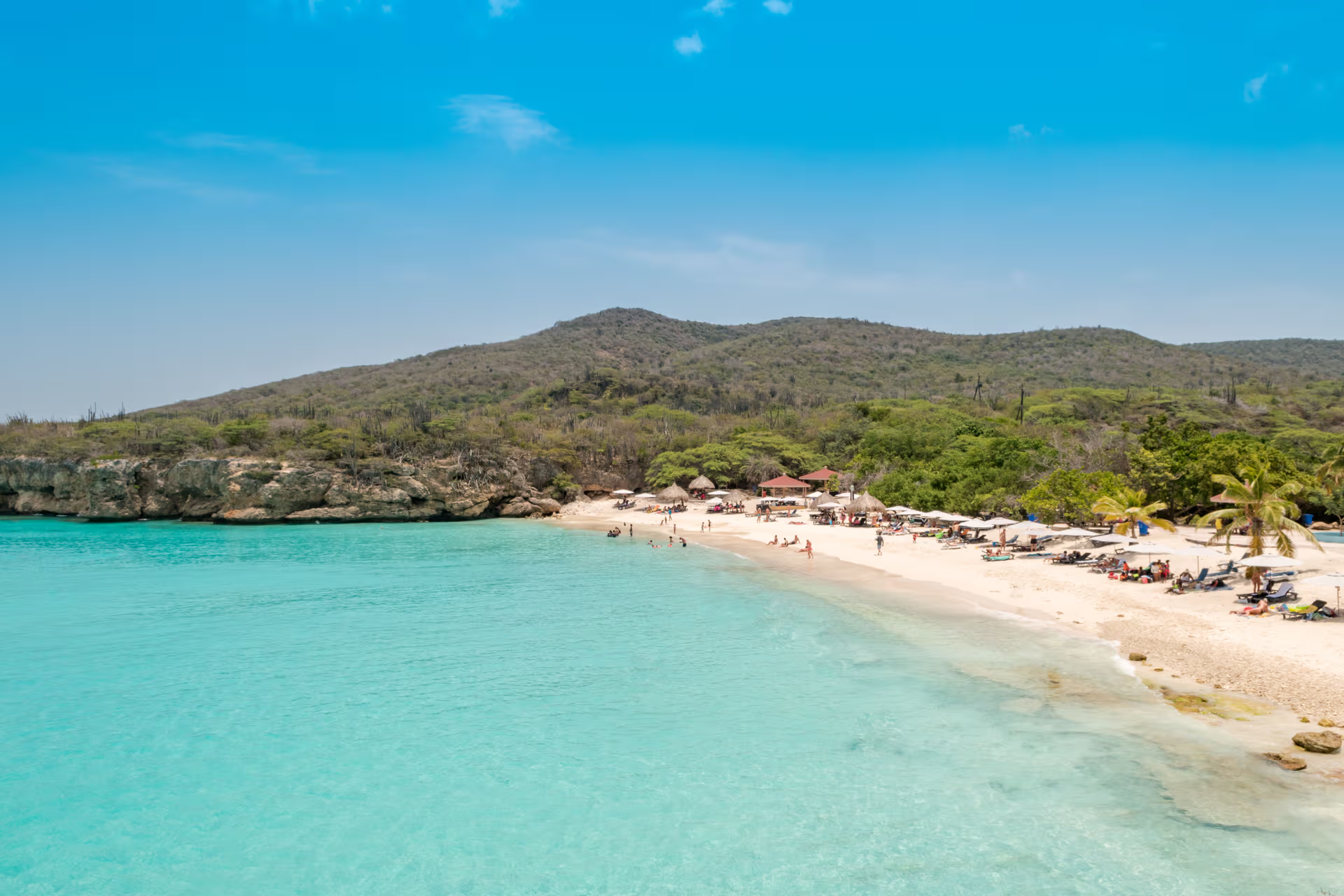
Kenepa Grandi (Grote Knip) is the best-known of the three: white cliffs on either side, a wide stretch of sand, and water that shifts from turquoise to deep blue as the day goes on. Cas Abao is the only one of the three with real amenities, including a guarded parking lot, loungers, and a restaurant, for a small entrance fee.
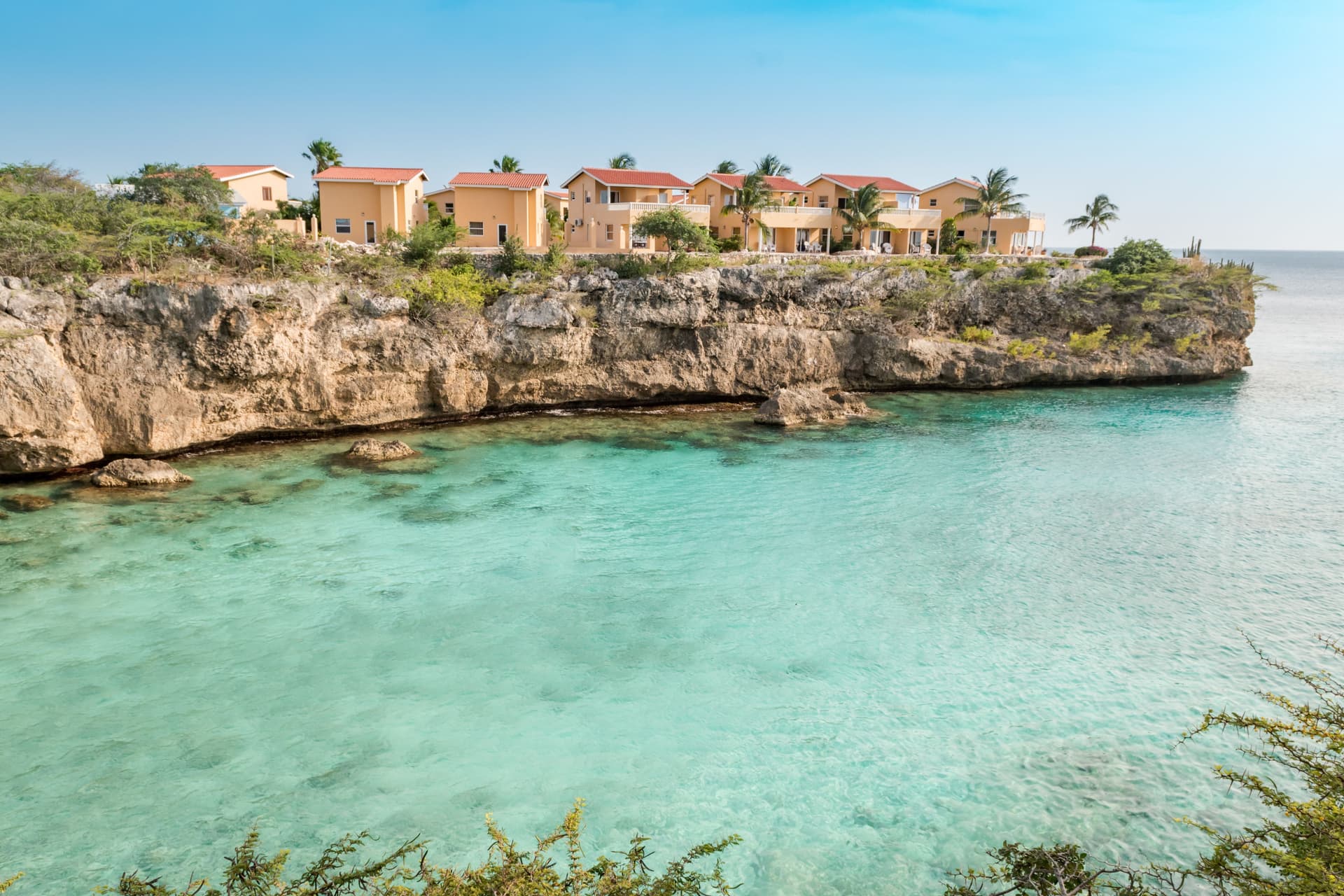
Playa Lagun is the smallest and most secluded of the three, tucked between rock formations with houses perched on the cliff above, and popular with local divers for the clear water right off the shore.
A round-trip taxi to Kenepa quickly costs more than a full day's car rental (check it in the taxi vs rental car cost calculator), and then you're still stuck with whatever pickup time you agree on with the driver. Anyone who wants to see the west coast, and trust us, you'll want to, needs their own transportation. The main roads to Cas Abao and Kenepa are fully paved, but expect the last few hundred meters to Playa Lagun and a few smaller bays to be unpaved with some potholes; a car with a bit more ground clearance handles that better than a low city car.
4. Download offline maps and arrive early at the popular beaches
Two small efforts that make your trip noticeably better. First, download Google Maps offline before you leave the city, since cell signal regularly drops out on the west side right when you're looking for a turn. Second, arrive at popular beaches like Kenepa before ten in the morning. You'll park without circling, have the view to yourself, and the water will be at its calmest, before the wind picks up.
Around midday the tour groups and cruise-ship day-trippers arrive, and the quiet evaporates a bit. The same beaches after 4:30pm, once most day-trippers head back to their hotel or the port, are a good alternative if getting up early isn't your thing.
5. Book your rental car before you land
We saved the most important tip for last. During high season, local rental providers on Curaçao genuinely sell out, especially around Christmas and Carnival, and the airport counters charge the island's highest rates during those weeks. Booking ahead means paying less and having a car guaranteed the moment you walk out of arrivals.
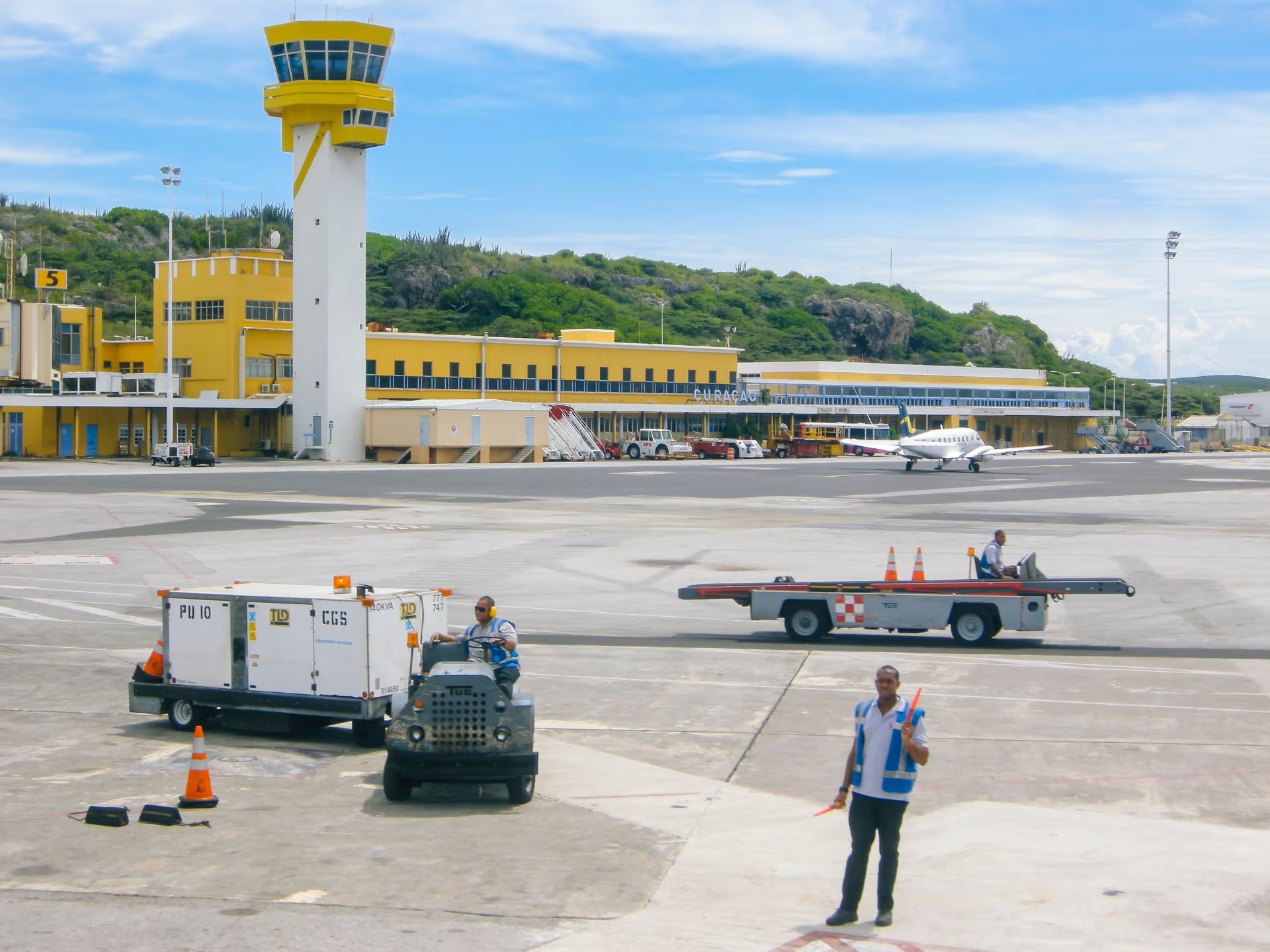
For reference: local providers charge roughly $25 to $35 per day for an economy car, versus $50 to $70 at international chain counters. A compact car runs $30-40 locally versus $55-75 with a chain, and an SUV or jeep, handy for the unpaved stretch to Playa Lagun, runs $45-75 locally versus $80-120 with an international chain. During peak periods like Christmas and Carnival these prices run 30 to 60 percent higher, one more reason to book well ahead.
With TropicDrive you compare more than 30 verified local providers on Curaçao in a single search. Insurance and taxes are always included in the price, so the number you see is the number you pay. No surprises at the counter, no fine print. You pick up your keys from a local team that knows you by name, often within minutes of landing at Hato.
What Travelers Say
“We saved over $200 compared to airport prices. The local company was fantastic and the car was perfect.” — Sarah M.
“The booking process was easy and customer service was excellent. We'll definitely book through TropicDrive again.” — Michael R.
Conclusion
Curaçao is an island that rewards a little preparation twice over. Drink the tap water, keep some cash on hand for the west side, plan your beach mornings early, and arrange your transportation before you land. That leaves only one thing to worry about: which bay to visit first.
Ready to arrange it? Compare prices from local providers now at tropicdrive.com/curacao and lock in your rental car ahead of arrival, or check the options right at Curaçao's airport.
Frequently Asked Questions
Do I need an international driver's license in Curaçao? No, a valid driver's license from the US, Canada, or most other countries is enough to rent and drive a car in Curaçao.
Which side of the road do people drive on in Curaçao? You drive on the right in Curaçao. Traffic rules feel familiar, though roundabouts tend to be a bit more informal than you might be used to.
How much does a rental car cost in Curaçao per day? Local providers charge roughly $25 to $35 per day for an economy car, including insurance and taxes. Airport counters and international chains often run well above that, at $50 to $70.
Can I pay in euros in Curaçao? No, but US dollars and the local Antillean guilder are widely accepted. Card payments work almost everywhere in Willemstad and Jan Thiel.
Are the beaches in Curaçao crowded? The well-known bays like Kenepa can get busy from midday onward, especially when cruise ships are in port. Arrive before ten or pick a weekday, and you'll have many beaches almost to yourself.
How far are the beaches on the west side from Willemstad? Plan on 30 to 60 minutes of driving, depending on the beach. The main roads to Cas Abao and Kenepa are paved; expect a short unpaved stretch for Playa Lagun and a few smaller bays.
Do I need an SUV for the west coast? A regular car is fine for Cas Abao and Kenepa Grandi, since the roads are fully paved. For Playa Lagun and the most remote bays, a car with a bit more ground clearance handles the final unpaved stretch more comfortably.
Internal Links
- Compare rental cars in Curaçao
- Car rental at Curaçao Airport
- Rent a jeep or 4x4 in Curaçao
- Why book with TropicDrive


