
Best Time to Visit Bonaire: Weather and Rental Car Tips

Bonaire has two real seasons, and neither one is bad. The island sits far south of the storm tracks, gets less rain than most of the Caribbean and holds a steady 30 degrees Celsius all year. What changes is the wind, the number of showers, the crowd at the dive shops and the price of your rental car. If you plan to drive the island, those four things decide when you should come.
This guide goes month by month with weather data from the island's tourism board, then turns it into practical choices for drivers: when the roads in Washington Slagbaai National Park are at their best, when the east coast is windy, when the salt flats glow pink and when a pickup truck costs the least.
Best time to visit Bonaire: the short answer
For most travelers, April and May are the sweet spot. Rain is at its lowest, the sea has warmed to about 27 degrees, the crowds from the winter high season have gone home and rental cars cost less than in January. If you only want one rule, book April or May.
There are good reasons to pick other months, though. Divers who want the warmest water and the lightest wind come in October and November, even though that is the wettest stretch of the year. Windsurfers and kiteboarders aim for May and June, when the trade wind is at its strongest. Families tied to school holidays come in July and August, or around Christmas, and accept the higher prices that come with them.
The table below is based on the monthly climate figures published by the Bonaire tourism board. Highs are daytime air temperatures in degrees Celsius.
| Month | Daytime high | Sea | Rain | Rainy days | Wind |
|---|---|---|---|---|---|
| January | 29.5 | 26.5 | 44 mm | 9 | Strong |
| February | 29.7 | 26.0 | 18 mm | 4 | Strong |
| March | 30.0 | 26.0 | 13 mm | 3 | Strong |
| April | 30.4 | 26.5 | 13 mm | 2 | Strong |
| May | 31.0 | 27.0 | 15 mm | 2 | Strongest |
| June | 31.2 | 27.5 | 14 mm | 3 | Strongest |
| July | 31.1 | 27.5 | 36 mm | 6 | Strong |
| August | 31.6 | 28.0 | 35 mm | 4 | Strong |
| September | 31.9 | 28.0 | 37 mm | 5 | Moderate |
| October | 31.7 | 28.0 | 67 mm | 8 | Lightest |
| November | 31.0 | 28.0 | 96 mm | 12 | Lightest |
| December | 30.0 | 27.0 | 74 mm | 11 | Strong |
Two numbers stand out. Annual rainfall is only about 350 to 460 millimeters, depending on the measuring period, which is a fraction of what Miami receives. And the island enjoys roughly 2,800 to 3,000 hours of sunshine a year. Even in November, the wettest month, most of the rain falls in short bursts and the sun returns within the hour.
Bonaire also lies at about 12 degrees north, outside the official hurricane belt. The Atlantic hurricane season runs from June to November, and tropical storms can pass nearby, but direct hits are rare. Travel insurance is still sensible for any trip, yet the weather risk here is far lower than on islands further north.
Dry season from February to June: wind, sun and the best driving
The dry months run from roughly February through June. April and May are the driest, with fewer than two rainy days each. Roads are firm, the dirt tracks stay in good shape and you can plan outdoor days without a backup.
What the trade wind means for your day
The northeast trade wind blows almost every day of the year at around 25 kilometers an hour. In May and June it is at its strongest. That wind is the reason Bonaire feels comfortable at 31 degrees, and it explains why the island is a world class spot for windsurfing and kiteboarding at Lac Bay. January to August is the prime window for those sports.
For drivers, the wind has a simple effect. The west coast, where Kralendijk and most of the shore diving sites sit, is sheltered and calm. The east coast and the north tip are exposed, with choppy water and strong gusts. Plan beach and snorkel time on the west side in windy months, and keep the east side for walks, windsurf watching and a drink at Sorobon.
If you want a full list of what to see by road, read our guide to the best spots on Bonaire you need a rental car for.
Washington Slagbaai in the dry season
Washington Slagbaai National Park is the main reason to bring a high vehicle. The park covers the northwest of the island and has 34 kilometers of dirt roads with a speed limit of 25 kilometers an hour. STINAPA, the park manager, recommends at least 30 centimeters of ground clearance, which means a Jeep, a Jimny, a pickup or an SUV. Rangers at the entrance can turn lower cars away if the road is in poor condition.
In the dry season you rarely hear that. The park is open Tuesday to Sunday from 8:00 to 17:00, closed on Mondays, and the last entry is at 14:30. Count on a full half day inside, with a swim at a quiet bay such as Playa Chikitu, a stop at the cactus lookouts and a walk to see flamingos in the salt lagoons.
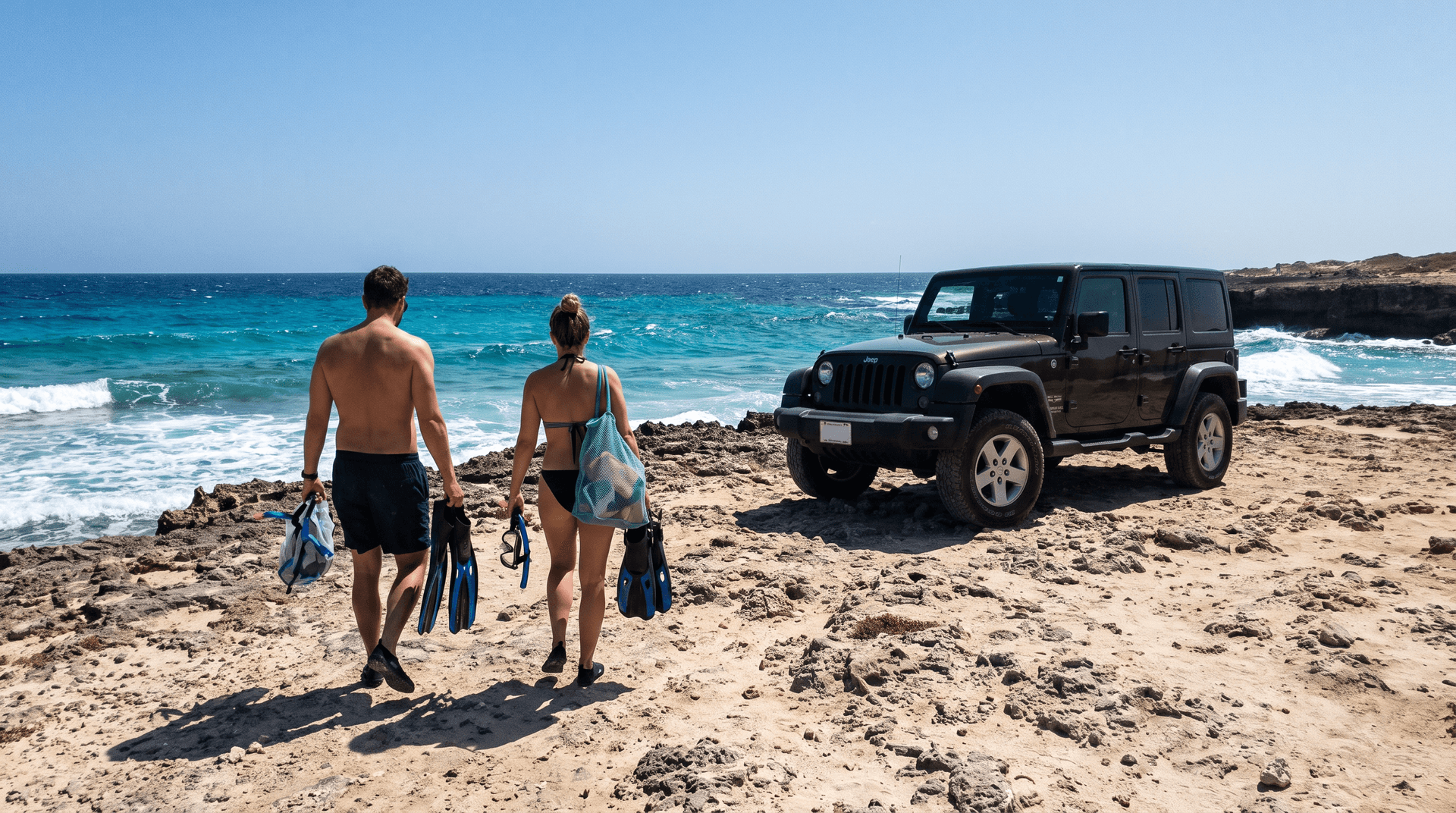
A nature fee applies to the park and to the Bonaire National Marine Park. In 2026 it is 40 dollars, valid for the calendar year from January to December, and cruise passengers pay 10 dollars for a one day pass. Children under 12 are exempt from the fee for entering the sea. Pay it online before you arrive and keep the receipt on your phone. You can read the current rules on the STINAPA park page.
Sea temperature and visibility
The water is coolest in February and March, at about 26 degrees. By May it reaches 27 and by August it tops 28. Underwater visibility usually runs between 15 and 30 meters. That means shore diving works in every month, with the warmest and calmest conditions from September to November.
The wetter months from October to January: what rain really changes
The rainy season starts in October and runs into January. November is the wettest month with about 96 millimeters over 12 rainy days, which sounds like a lot until you compare it with a single wet week in northern Europe. On Bonaire, rain arrives as a brief downpour, often at night, and the sun is out again by breakfast.
Why divers love October and November
The wind drops to its lightest in these two months, the sea reaches its warmest at about 28 degrees and the surface is glass flat. Shore dive sites along the west coast become easy to enter and exit. Dive shops are quiet, the island's restaurants have free tables and nobody queues at the tank refill station. If your trip is about the reef, this is the season to book.
Our rental car guide for divers explains why a pickup is the standard choice for carrying tanks, and how to plan a day along the coast road.
What rain does to the roads
On paved roads, nothing much. The coast road, the road to Lac Bay and the main route to the south stay open and easy. On the dirt tracks of Washington Slagbaai the picture changes. STINAPA notes that the park can close fully or partly after heavy rain because the roads become unsafe. Puddles form in low sections, mud clings to tires and low cars struggle.
The fix is simple. If you visit between October and January, keep a flexible day for the park and call STINAPA the evening before. Choose a vehicle with real ground clearance and a good driver, and do not push through standing water. A short wait often saves the day, since the ground drains quickly.
December: wet and busy at the same time
December is the odd month. It still brings about 74 millimeters of rain over 11 rainy days, yet it is also the start of the busy winter period, which runs from mid December through April. The island is full of Dutch and American visitors escaping winter, the weather is pleasant and prices jump. If you want the pre Christmas calm, come in the first half of the month. If you want the festive atmosphere, book your car early.
Crowds, prices and when to book a rental car
The weather decides your comfort, but the calendar decides your budget. According to the island's tourism board, the busiest periods are mid December to April, plus July and August when Dutch school holidays bring families. The quietest months are September, May and June, and November sees few visitors as well.
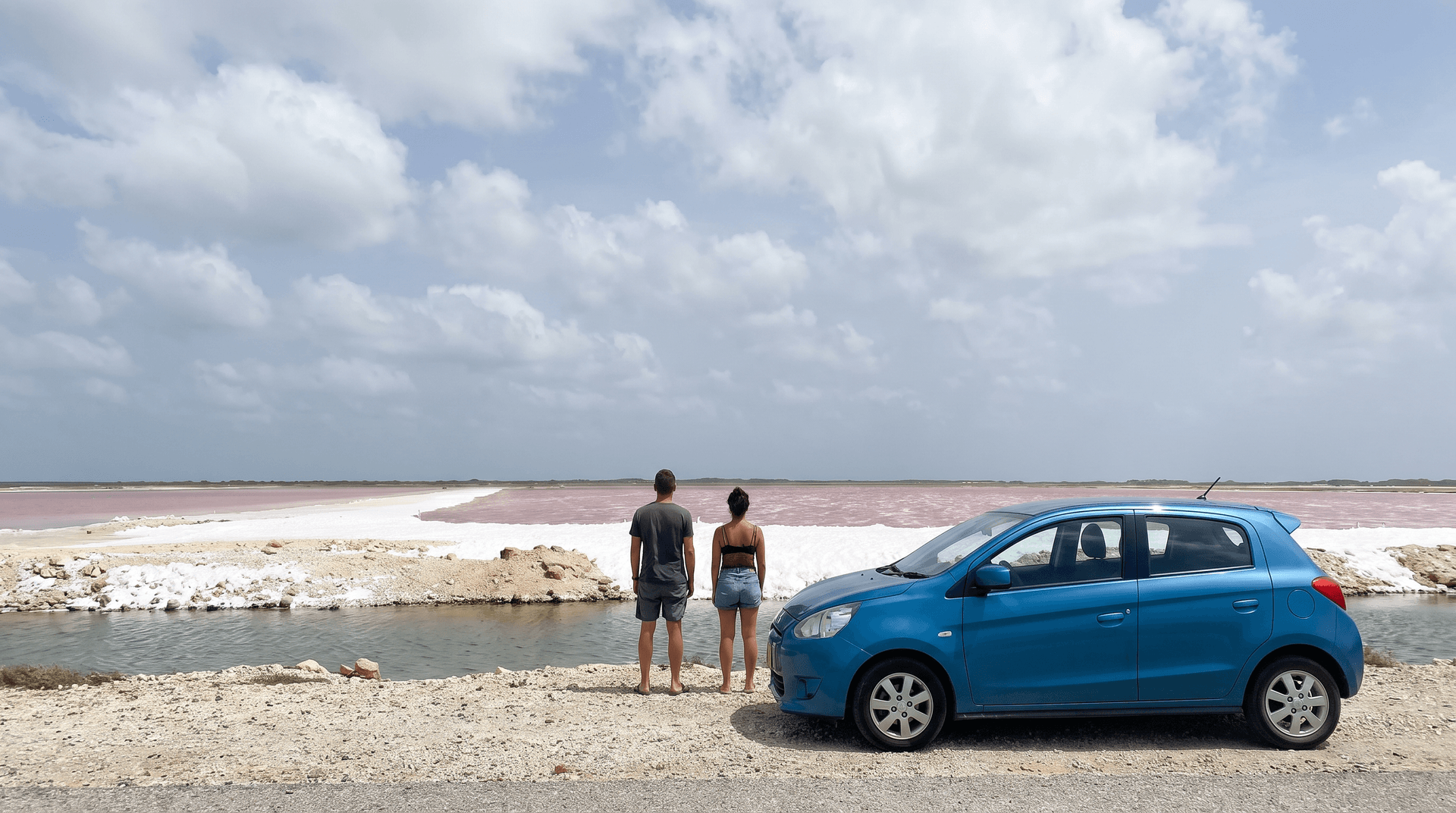
Rental cars follow the same curve. December through April is high season, with prices running 30 to 50 percent higher than in May, June and November. Pickup trucks and SUVs run out first, because divers and park visitors want them, so book early if you need one.
The prices below are indicative from rates per day for low to mid season, comparing local operators on TropicDrive with international chains at the airport counter.
| Category | Local operators via TropicDrive (per day) | International chains at the airport (per day) |
|---|---|---|
| Economy | $25 to $35 | $50 to $70 |
| Compact | $30 to $40 | $55 to $75 |
| Intermediate | $35 to $50 | $60 to $85 |
| SUV or Jeep | $45 to $75 | $80 to $120 |
| Minivan, 7+ seats | $60 to $90 | $100 to $150 |
During peak periods such as Christmas and New Year, expect rates 30 to 60 percent above these figures. Longer rentals bring a lower daily rate, and many local operators offer weekly prices from 7 days. For specific ways to trim the bill, see our guide to cheap car rental on Bonaire.
A simple booking rule
Book two to three months ahead for December to April and for July and August. For May, June, September and November, a few weeks is usually enough, though pickups still go quickly. Compare local operators in one place and pay only a small part online. The rest is due at pickup.
Which season suits which kind of trip
Matching the season to your plan is easier than it sounds. Use this as a starting point and adjust for your own dates.
For shore diving and snorkeling, aim for September to November for the calmest, warmest water, or February to June if you prefer less rain. A pickup truck makes the logistics easy in either window.
For hiking, cycling and Washington Slagbaai, aim for February to May. Roads are dry, the park is reliably open and the heat is easier to handle with the strong breeze. Start early, since the last entry is at 14:30.
For windsurfing and kiteboarding, book May and June, or anywhere from January to August. Base yourself near Lac Bay and rent a compact car to move between the lagoon and the west coast.
For families on a school holiday, July and August work well. The sea is at its warmest, the rain is modest and most attractions run full schedules. Book a minivan or a compact SUV early, because family sized cars sell out first.
For a quiet escape, choose May, June or September. These months are the least crowded, and prices are at their lowest.
Driving tips that apply in every season
Traffic is on the right. A valid license from the US, Canada or the EU is normally accepted without an international permit. Watch for goats and donkeys on the road, especially away from Kralendijk, and give yourself extra time at dusk. Fill the tank before long days in the north, since stations are concentrated around Kralendijk. And take your valuables with you when you park at a shore dive site, as with any Caribbean island.
Book your Bonaire rental car with TropicDrive
TropicDrive compares more than 30 local operators on Bonaire in a single search, with over 1,000 cars across the platform. Live availability and transparent prices mean no surprises at the counter. You pay a small part online and the rest at pickup. Cancellation is free up to 48 hours before arrival, and payment runs securely through iDEAL, Wero or credit card via Stripe.
Start on the Bonaire car rental page or read the full car rental guide for Bonaire. Local operators know which tracks are passable after a shower and which dive sites are busy that week, and that advice is part of the service.
Travelers confirm it. Sarah M. saved over 200 dollars compared to airport prices and called the local company fantastic. Michael R. found the booking easy and the customer service great, and says he will book with TropicDrive again. The platform holds a 4.8 star rating from more than 10,000 customers.
Frequently asked questions
What is the best month to visit Bonaire?
April and May combine the lowest rainfall with warm water and moderate crowds. February to June is the driest stretch overall, and May and June are also quiet outside school holidays.
When is hurricane season on Bonaire?
The Atlantic hurricane season runs from June to November, but Bonaire sits at about 12 degrees north, outside the official hurricane belt. Direct hits are rare, although a passing tropical storm can bring a few days of wind and showers.
Is Bonaire too windy in May and June?
The trade wind peaks in those months. It keeps the heat comfortable and suits windsurfers and kiteboarders. The west coast, where most dive sites are, stays sheltered, so diving and snorkeling continue as normal.
Is it cheaper to rent a car on Bonaire in the rainy season?
Yes. May, June and November are the most affordable months. December to April is high season, with rental prices 30 to 50 percent higher.
Can I visit Washington Slagbaai National Park after heavy rain?
The park can close fully or partly after heavy rain because the dirt roads become unsafe. Check with STINAPA before you go, bring a vehicle with at least 30 centimeters of clearance and keep your plans flexible.
Do I need to book a rental car in advance?
Yes, especially from mid December to April and during July and August. Pickups and SUVs go first, so reserve early if you want one.
Sources
Weather and season data come from the Bonaire tourism board climate page. Park hours, nature fee and road rules come from STINAPA Bonaire. Check both sites shortly before departure, since fees and opening hours can change.

